Poore Lab
Mission Statement
The Poore Lab is dedicated to advancing the field of plastic surgery through innovation, education, and global engagement. The Poore Lab focuses on developing and refining novel surgical techniques, expanding evidence-based reconstructive practices, and advancing microsurgical education. With a strong commitment to global health, the team works to improve access to high-quality reconstructive care worldwide while training the next generation of surgeon-scientists and clinical leaders.
Samuel Poore M.D., Ph.D.
Personal Background
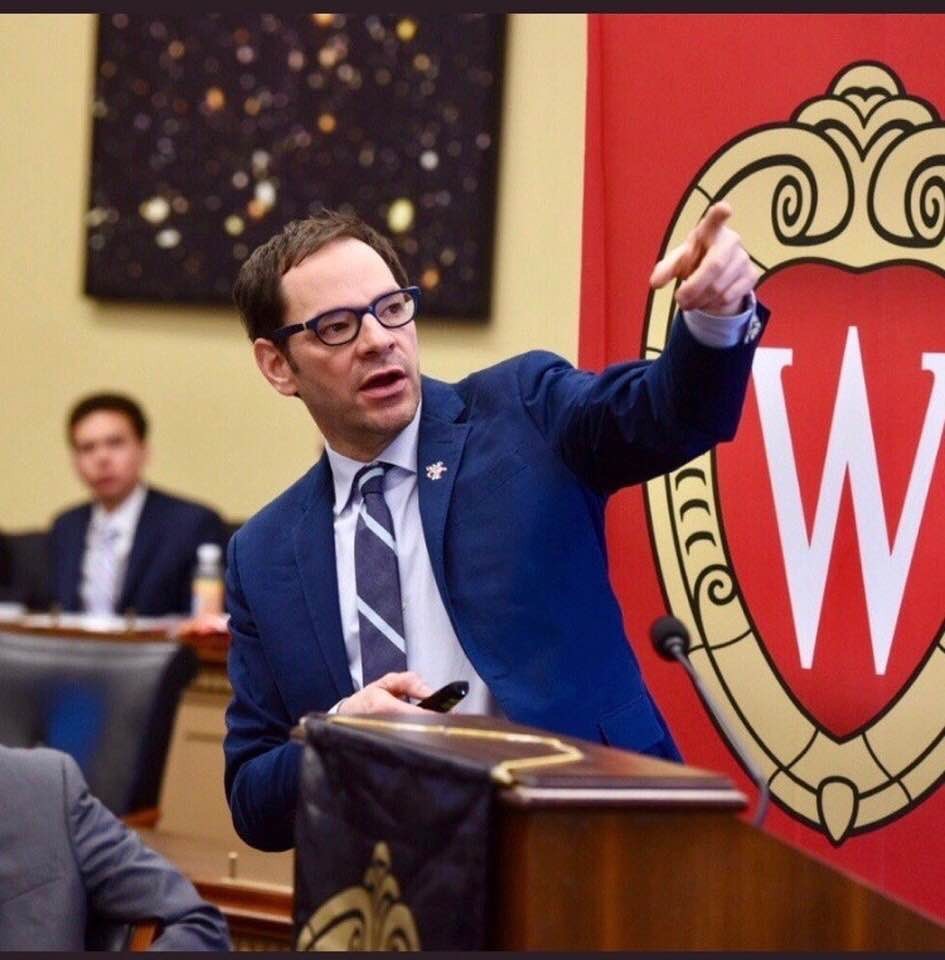
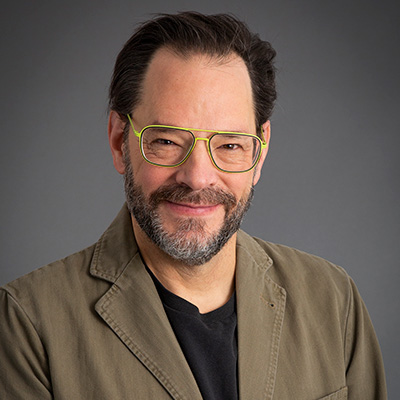
Dr. Poore received his medical training and doctorate from Brown University in Providence, Rhode Island, and completed his residency in Plastic and Reconstructive Surgery at the University of Wisconsin–Madison. He then did a fellowship in microsurgery and research at the Bernard O’Brien Institute of Microsurgery in Melbourne, Australia. Dr. Poore specializes in microvascular surgery with an emphasis on breast reconstruction, upper and lower extremity reconstruction, and head and neck reconstruction. He is currently a tenured Professor at the University of Wisconsin, the chair of the division of Plastic and Reconstructive Surgery at the University of Wisconsin, has an affiliate position in the Department of Biomedical Engineering and is the inaugural recipient of the Distinguished Chair of Global Education in Plastic and Reconstructive Surgery. Since 2012, Dr. Poore’s research group, as Principal Investigator or Co-Principal Investigator, has earned over $15 million dollars in grant funding through The Defense Advanced Research Project Administration (DARPA), the National Institutes of Health (NIH), the Department of Defense, and the Veteran’s Administration on projects ranging from peripheral nerve regeneration, neural engineering, neural interfacing, prosthetic development, and vascular engineering. In addition, Dr. Poore directs the University of Wisconsin Microsurgical Training Laboratory with a focus on developing novel microsurgical simulators and leads the multi-institutional Annual UW Microsurgery Training Course. He leads an active Global Plastic Surgery program and has lead trips teaching and performing microsurgery in Vietnam, Rwanda, South Africa, the Dominican Republic, Panama and Egypt. Dr. Poore is active an active member in both regional and international plastic surgery societies and recently completed a two-year tenure as President of the Midwest Association of Plastic Surgeons.
What We’re Up To
Our clinical research efforts focus on advancing the field of reconstructive surgery through innovative, patient-centered studies. Areas of investigation include sensory recovery, lymphatic function and imaging, breast reconstruction, and microsurgical techniques. By exploring new approaches to treatment and evaluating surgical outcomes, we aim to improve patient care, enhance recovery, and support long-term health and well-being.
Our global microsurgery education initiatives are dedicated to expanding access to high-quality surgical training around the world. Through innovative and cost-effective educational tools, including 3D-printed microscopes and simulation-based learning platforms, we help provide hands-on microsurgical training in resource-limited settings. Collaborating with healthcare professionals, trainees, and institutions in countries such as Vietnam and Rwanda, our programs support skill development, knowledge exchange, and capacity building. By fostering international partnerships and advancing accessible surgical education, we aim to strengthen the global surgical workforce and improve patient care worldwide.
Our research in plastic surgery education focuses on understanding and improving the training experience for future surgeons. Areas of investigation include residency preparation, the residency match process, barriers to entry, the role of research and academic achievement, and factors that contribute to trainee success. By examining educational outcomes, workforce trends, and opportunities for mentorship and professional development, we aim to identify strategies that enhance surgical education, promote equitable access to training, and support the next generation of plastic surgeons throughout their careers.